Two units, two fireplaces, one contingency
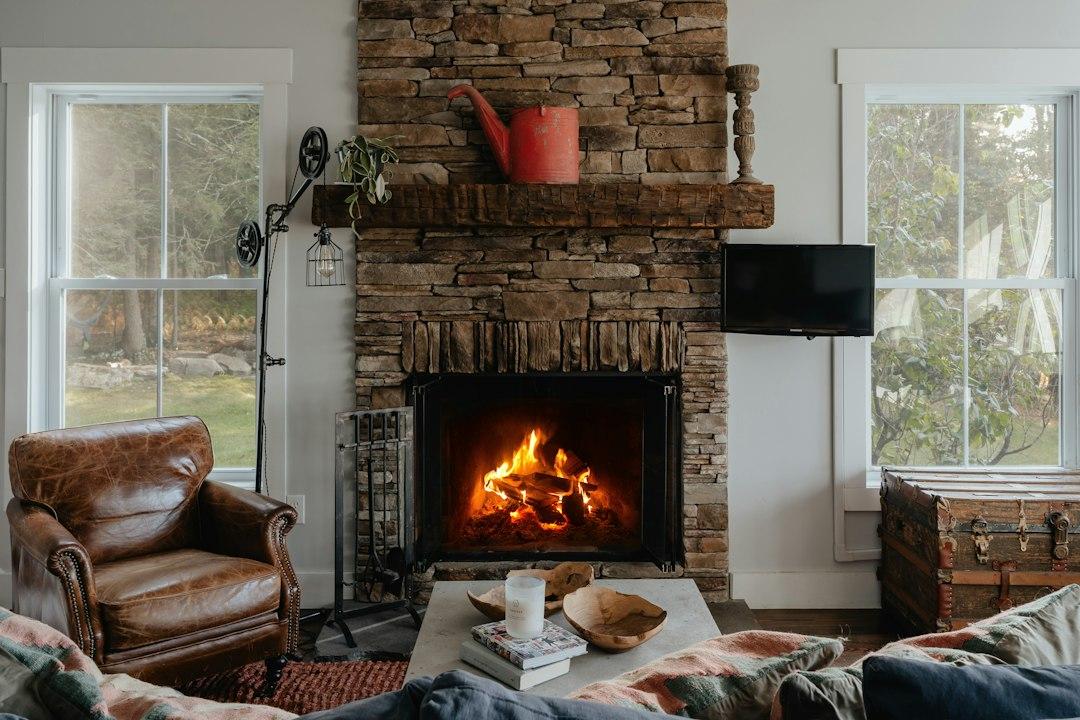
A buyer under contract on a Santa Ana duplex usually has a general home inspection booked, a loan appraisal on the way and an inspection contingency that will end whether the chimney has been looked at or not. The general inspector will shine a light up each firebox and, if anything looks off, write that a chimney specialist should take a further look. This post covers what that further look should be, which level to book for each unit, and what it costs.
The short answer
For a building that is changing hands, book a Level 2 inspection on each fireplace that will stay in use. NFPA 211 lists a property sale or transfer as one of the events that calls for a Level 2. With us it is $405 per flue, and it includes a video scan of the full flue plus the attic and crawl space where the chimney passes through them.
A Level 1 at $170 per fireplace is the right tool for routine yearly checks on a building you already own. It is not the right tool for deciding whether to buy one, because it stops at what can be seen without a camera.
Why the camera matters on a duplex
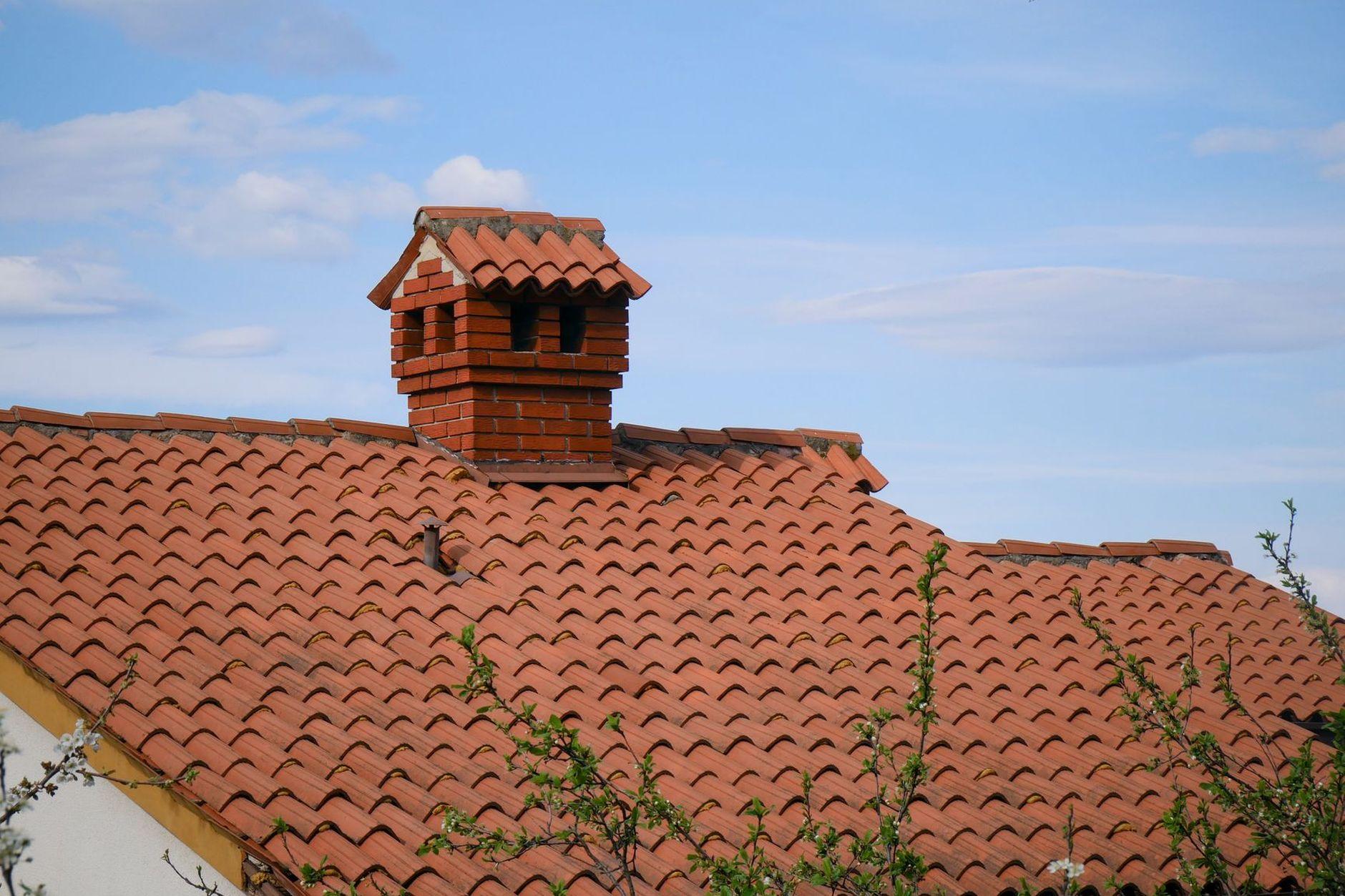
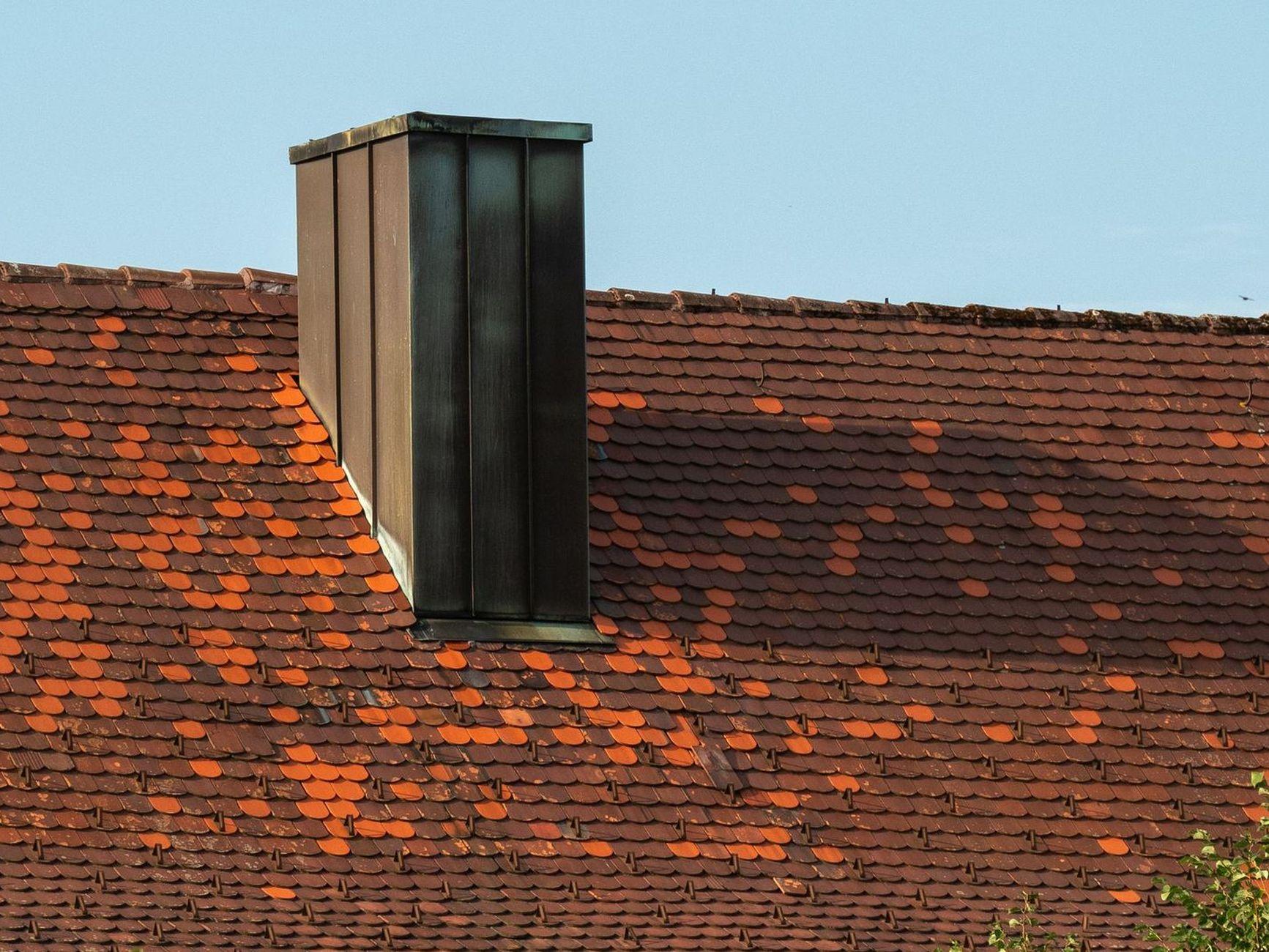
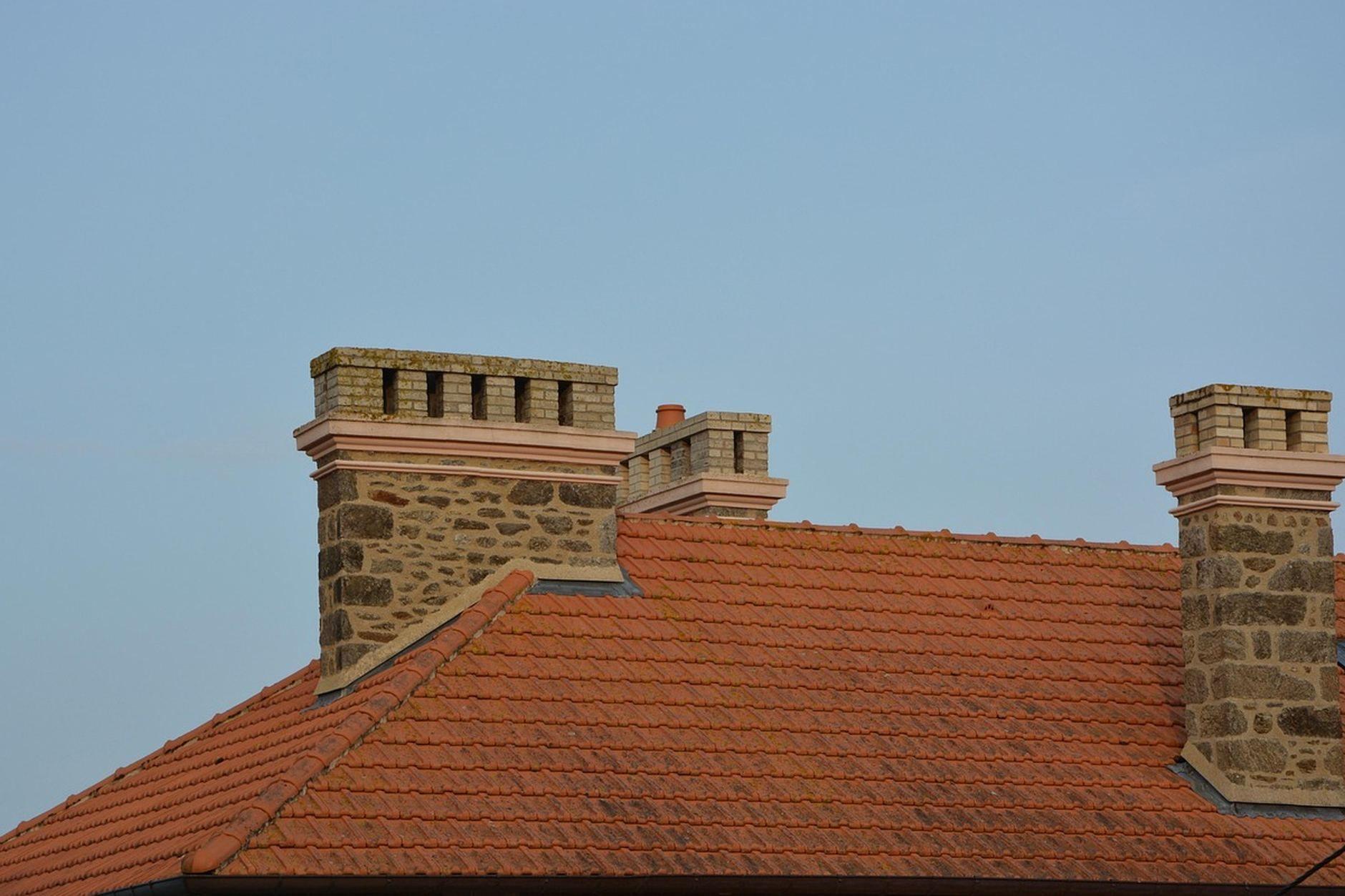
Older duplexes and small apartment buildings in Orange County often have two or more flues running through one masonry chimney. From the roof it looks like one stack. Inside, each flue has its own clay tile liner, and the tiles are separated by thin walls of mortar. A crack in one flue's liner or a gap in the wall between flues can let smoke from one unit pass into the other. None of that shows up from the firebox. The camera shows it joint by joint.
The other common finding on older stacks is earthquake damage. Shaking from quakes such as Whittier Narrows in 1987 and Northridge in 1994 cracked tiles and loosened brick above the roofline on buildings across Southern California, and a chimney can carry that damage for decades without a visible sign from below.
Order of steps before the contingency ends
The timing is yours and your agent's. What we can help with is the order.
- Book the chimney inspection as soon as the contract is signed, alongside the general inspection rather than after it.
- Tell us who has the keys. On a tenant-occupied duplex the listing agent or the property manager usually arranges entry to each unit.
- Ask us to send the report to you and to your agent at the same time.
- If repairs are found, ask for the written quote at once so your agent has a figure to put in a request for repairs or a credit.
What the report shows per unit
Each fireplace gets its own section: the unit, the type of fireplace, the level of inspection, the camera images, the findings and a fit-to-use line. Roof-side items that serve both units, such as the crown, the cap and the flashing, are listed once under the chimney, with a note on which flues they affect. That makes it easy for a buyer to see whether a problem is shared or belongs to one side.
What decides the price, and the next step
The inspection price is fixed: $405 per flue for a Level 2. Three things can add to the visit.
- A flue too sooty for the camera has to be swept first. A chimney sweep is from $435, and we tell you before we start.
- A missing or damaged cap is a common find. Caps installed are quoted after we measure.
- A leak at the roofline usually traces back to flashing or a cricket. Leak repair runs $580 to $3,450. A chimney cricket, installed, is $465 to $1,045, or $695 to $1,700 with a full flashing replacement.
Crown, liner and damper work is quoted in writing after the inspection.
If you are under contract, send us the property address, the number of fireplaces and who can let us in. Request the Level 2 through the quote form, and we will reply with the written inspection total for both units.
Comparing the chimney report with the general inspection
The general home inspection is broad by design. It covers the roof, the plumbing, the electrical panel and a long list of other systems, and for the chimney it usually notes what is visible and recommends a specialist. The Level 2 is narrow and deep: one system, a camera inside it, and findings tied to photos. The two reports work together. The general report tells the buyer there is a question. Ours answers it with images a buyer, a seller and both agents can all look at.
After the sale closes
Once you own the building, the routine is simpler: a Level 1 on each fireplace once a year, a sweep when the Level 1 says one is due, and a Level 2 again only when something changes. That routine is what our per-fireplace pricing is built for, and owners who later bring in a manager can hand over a full record from the day they bought.
Related pages
The full sale process is on the home sale inspection page. Agents can send their buyers to the real estate agents page. If the report finds code items, the up to code repairs page lists the usual fixes, and the inspection itself is described on the Level 2 inspection service page.
Get the duplex on the schedule
With the address and the contract in hand, tap the Call button on this page. We will confirm the number of flues, arrange entry to each unit and agree on who receives the report.
Every Fireplace, One Visit
Clarkson Chimney Sweep inspects, sweeps and services each fireplace on a property and files a dated record for each. Routes leave Santa Ana for Costa Mesa, Stanton, Placentia and the rest of Orange County.