One tall brick stack, several households below it
Older apartment buildings and large houses in Santa Ana often share one feature that matters a great deal in an earthquake: a tall, unreinforced brick chimney. In a single house, a chimney that fails in a quake is a serious problem for one family. On a building with several units, the same stack can carry two or three flues, stand over several front doors and lean against a shared roof. This post compares the main seismic options for those chimneys, explains what decides the cost and sets out what an owner or board receives before deciding.
Why brick chimneys fail first
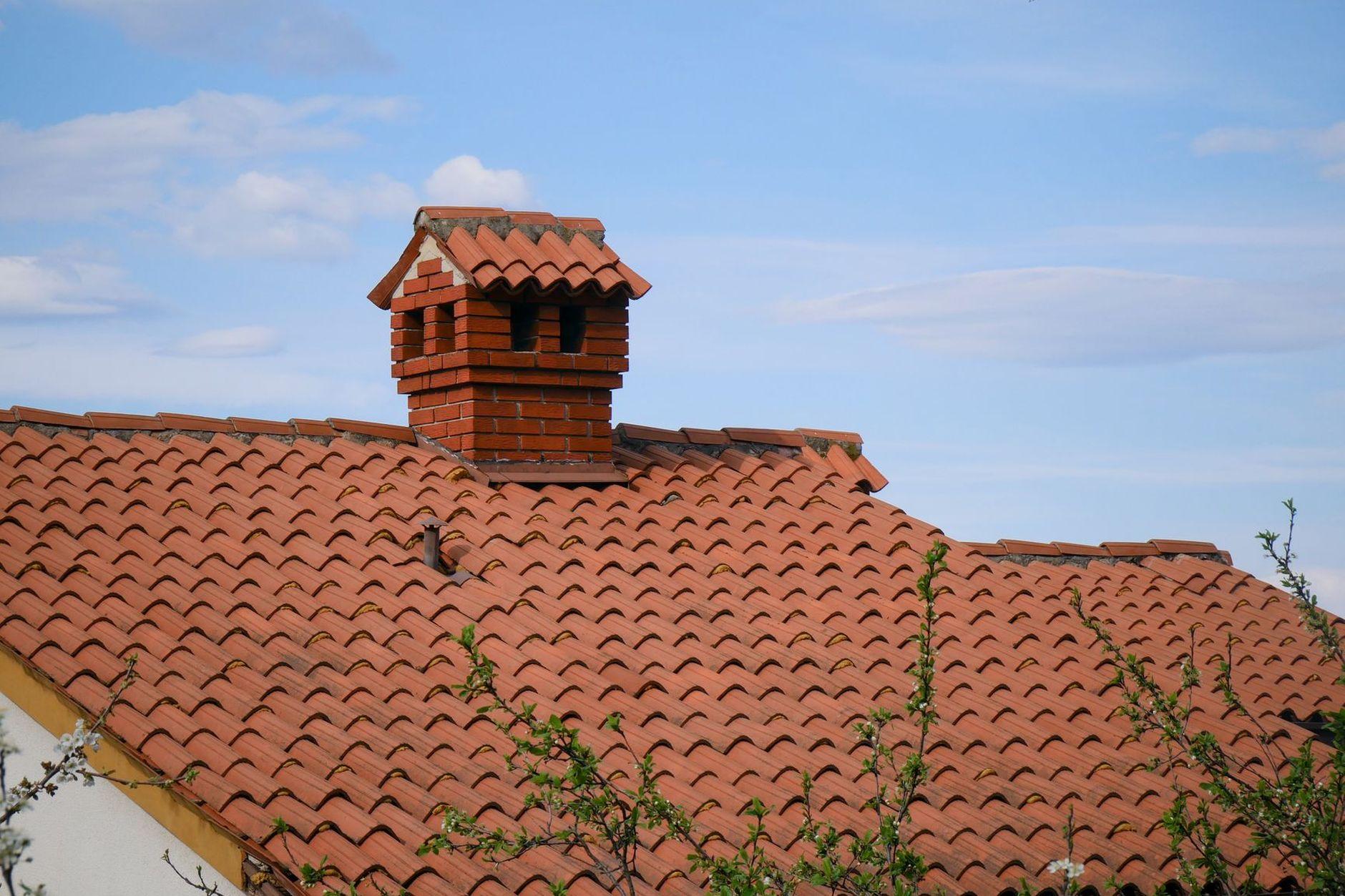
Unreinforced brick is heavy and stiff, and the mortar holding it together has little strength when it is pulled sideways. The part of the chimney above the roofline has nothing to brace it. When the ground moves, the house or building moves one way and the top of the stack keeps going, so it cracks where it leaves the roof. Southern California has seen this pattern in the 1987 Whittier Narrows, 1991 Sierra Madre and 1994 Northridge quakes. A chimney that came through one of them with a hairline crack at the roofline can still look sound from the street.
The options, compared
There are three broad approaches. Which one fits depends on the height of the stack, the state of the brick and mortar, and what the building owner wants to keep.
| Option | What it involves | Fits |
|---|---|---|
| Bracing | Steel braces or angle iron tied from the chimney back to the roof framing | A sound stack of moderate height above the roof |
| Strapping | Steel straps that tie the chimney to the floor and roof framing at each level | Stacks attached along the side of a building |
| Rebuild to the roofline | Taking the brick down to the roof and rebuilding the top as a lighter framed chase or reinforced section | Cracked, loose or very tall stacks |
Bracing and strapping keep the existing chimney and add something to hold it. A rebuild removes the weakest part, the brick above the roof, and replaces it with something lighter. On a building where the fireplaces below are no longer used, some owners also ask about taking the stack down and closing the opening. We describe each option in general terms here. The right one for a given chimney comes out of the inspection, not a blog post.
What the inspection looks at
Before any seismic work, the chimney needs a proper look inside and out. A Level 2 inspection with a video scan, $405 per flue, checks the flue tiles, the joints and the mortar, plus the attic where the chimney passes through the roof. On a stack serving several units, each flue is inspected and each gets its own page. Where a unit's fireplace also needs a routine check, a Level 1 is $170 per fireplace.
What we record on each chimney:
- height above the roofline, and how it is attached to the building;
- cracks at the roofline, at the crown and along the mortar joints;
- the state of the flue tiles in each flue;
- whether the fireplaces below are in use, gas only or closed off.
What decides the price, and the next step
Seismic retrofit work is quoted in writing after the inspection. We do not put a range on it here because the spread between a short braced stack and a three-flue rebuild on a two-storey building is too wide to be useful. The quote depends on:
- the height of the stack above the roof and the number of flues in it;
- the option chosen: bracing, strapping or a rebuild to the roofline;
- roof access and roofing material, since tile and slate roofs need more care around the work area;
- any work the flues need at the same time, such as a new liner or crown.
For a written seismic quote, send photos of the chimney from the street and from the roof if you can get them, the number of units it serves and whether the fireplaces below are in use. Send them through the quote form. We will reply with the inspection total first, then a written quote for each option that suits the chimney.
What an owner or board receives
The report gives one page per chimney with the inspection findings and photos, then the options that apply to that chimney. The written quote lists each option with its scope, so an owner or board can compare them side by side. Where the building has several chimneys, each one is priced on its own line, which lets a board work through them in order of condition.
When to pair seismic work with other repairs
The scaffolding or roof access for a seismic job is a good time to deal with the top of the chimney. A cracked crown, a missing cap or a worn flue liner can be fixed in the same visit. A chimney cap, installed, is quoted after we measure. Crown and liner work is quoted in writing. Pairing them means one roof setup instead of two, and one record of the finished chimney.
Related pages
The service is described on the chimney seismic retrofit page, and full rebuilds on the chimney rebuilds page. If the stack is also letting water in, read Leak Repair on Shared Chimneys. Managers can find the per-fireplace inspection offer on the property manager and HOA page, and owners selling a building should look at the up to code repairs page.
Start with the stack you worry about most
If one chimney on the building already has a visible crack, start there. Tap the Call button on this page, tell us the address and the number of units under it, and we will book the inspection and send the written options afterwards.
Every Fireplace, One Visit
Clarkson Chimney Sweep inspects, sweeps and services each fireplace on a property and files a dated record for each. Routes leave Santa Ana for Costa Mesa, Stanton, Placentia and the rest of Orange County.